Somewhere in your first proper barber visit in Salisbury, the question comes: clippers or scissors? Men who have never been asked tend to guess, and then live with the grow-out of a coin flip for six weeks. The two tools do genuinely different things to hair, and walking through a first appointment with each makes the choice easy.
Many cuts use both: clippers for the sides, scissors for the top. Knowing what each tool is doing tells you what to ask for, and what to expect as the weeks pass.
What each tool actually does
Clippers cut every hair they pass to the same length, set by a guard, and they do it fast and evenly. That uniformity is why fades and tapers are clipper work: the gradual blend from short to longer is built by stepping through guard lengths. Scissors cut hair point by point, in the barber's hand, which allows varied length within a section, softer edges, and texture cut into the ends. A scissor cut generally looks less uniform and more natural at the edges, and it needs more time and more skill per pass. Neither is better in general. They are different instruments, and most arguments about them are really arguments about the style someone wanted.
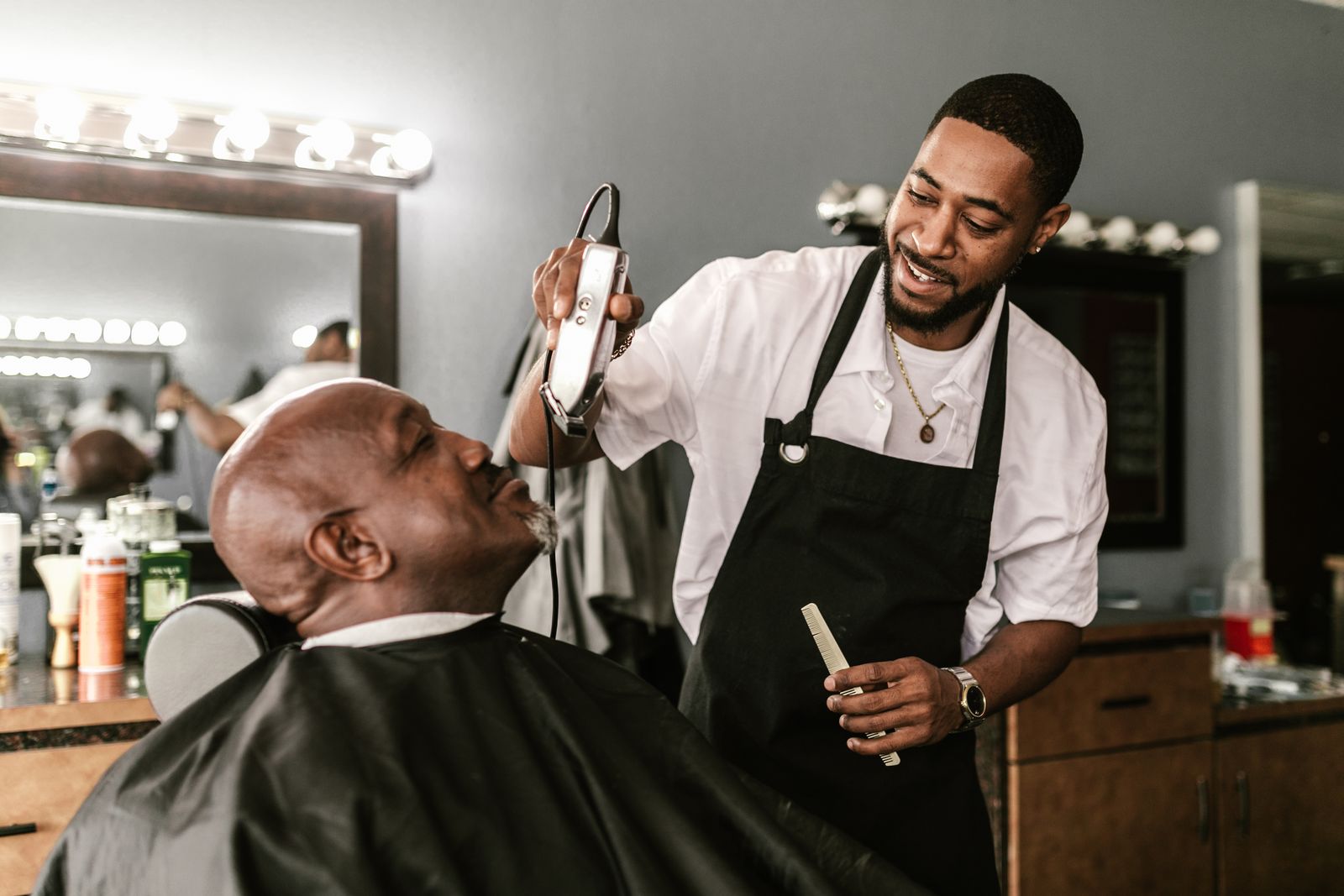
A first appointment, step by step
- Say what you want in plain words first: how short, how it should look in a month, and how much styling you will honestly do. The barber picks tools to match, not the other way around.
- The sides usually start the cut. With clippers, expect guards to change several times as the blend is built. With scissors, expect comb-and-cut work that looks slower and more deliberate, because it is.
- The top is where most clipper-versus-scissor differences live. A clippered top is one even length. A scissored top can be layered and textured so it moves and lies in a direction.
- Edges and neckline finish either cut, often with trimmers and sometimes a razor, regardless of which tool did the main work.
- Check the result in the mirror the barber offers, including the back. This is the moment to say the top feels long or the sides feel short. Adjustments are easy now and harder next week.
- Ask two questions before you leave: how many weeks this cut is built to last, and what it will look like when it grows out. The answers tell you whether you chose well.
Texture and grow-out: the difference you live with
A clipper cut grows out uniformly, which is its strength and its weakness. A fade looks precise for about two weeks, then the blend softens and the outline blurs, and by week four it reads as a generic short cut. A scissor cut starts softer and changes more gracefully: the shape holds longer because the edges were never hard lines to begin with, and many scissor cuts still look intentional at week five or six. Thick, straight hair often suits scissor work on top because texture can be cut in, while very short styles, military cuts, and sharp fades belong to clippers. Curly hair is usually cut with scissors or clippers used carefully on dry hair, since curl hides true length when wet or stretched.
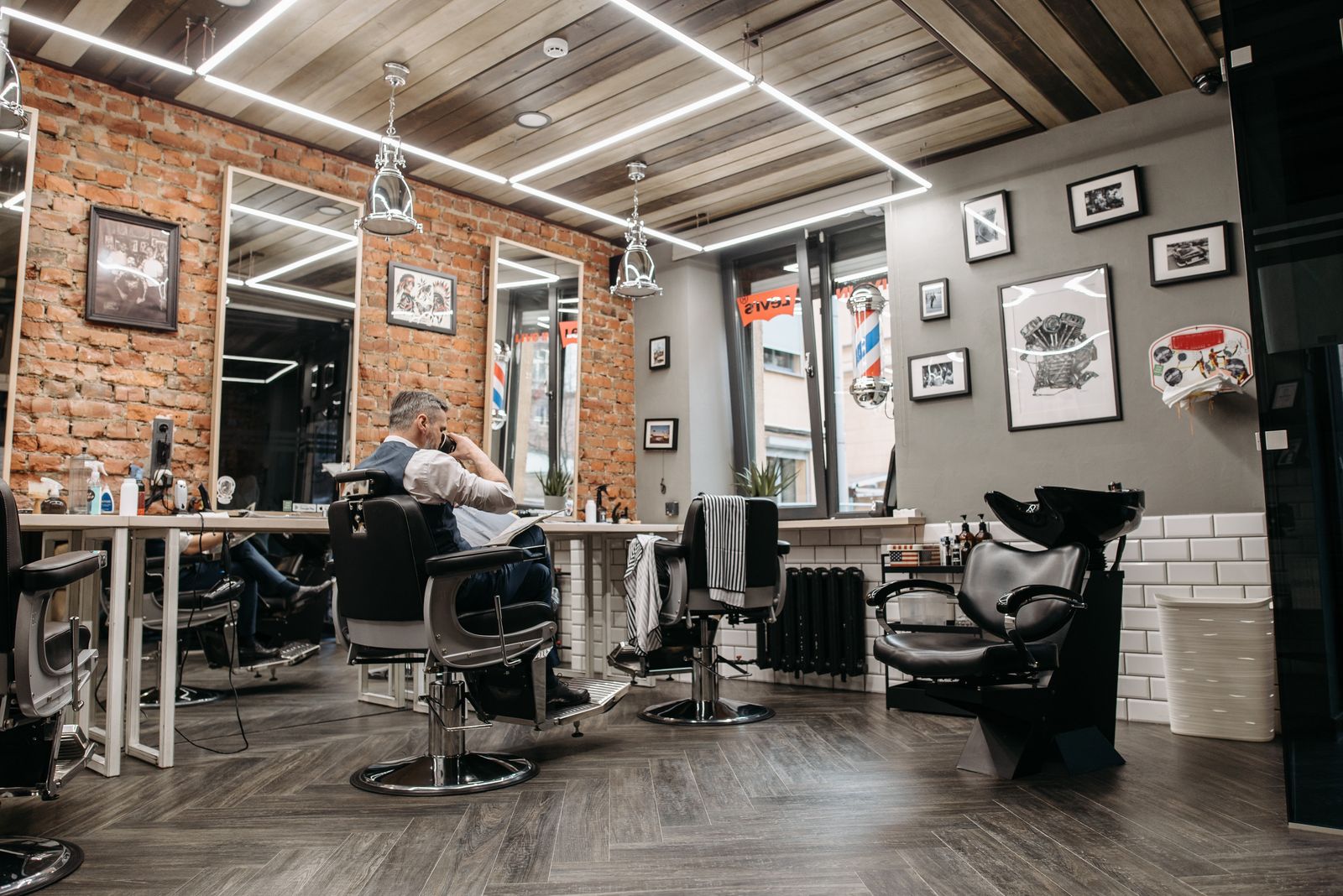
How to choose on your first visit
Choose by lifestyle first. If you want the lowest daily effort and like a crisp outline, and you can get in every two to three weeks, clipper work will suit you. If you want a natural look, fewer appointments, and a cut that forgives a busy month, lean scissor. At College Inn Barber Shop, saying it is your first time being asked is a perfectly good thing to say out loud. Barbers would rather explain the choice for a minute than watch you guess.
Price of admission: time in the chair
One practical difference first-timers notice is time. Clippers cover ground quickly, which is why short clipper cuts are among the fastest services in a shop. Scissor work is slower by nature, since every section is cut deliberately, and a full scissor cut can take noticeably longer, especially on thick hair. Neither pace says anything about quality. It says something about planning: book a scissor cut when you are not squeezing the appointment into a lunch break, and judge both tools by the grow-out they give you over the following month.
Common questions
Does a scissor cut last longer than a clipper cut?
Usually, yes, in appearance. Scissor cuts have softer edges, so grow-out looks gradual. Fades and clipper work look sharpest early and need refreshing sooner.
Can a cut use both clippers and scissors?
Most do. Clippers commonly handle the sides and blend, scissors handle the top and texture. Asking for one or the other usually means the main tool, not the only one.
Which is better for thick hair?
Scissor work on top lets the barber remove weight and add texture where thick hair needs it. Clippers alone on a thick top can leave it looking blocky as it grows.
Photos in this guide are representative stock images.
← All guides from College Inn Barber Shop← Back to College Inn Barber Shop